

RECENT SEARCHES
Recently Viewed
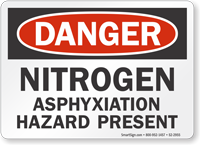
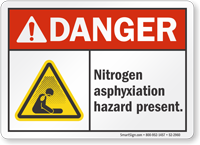
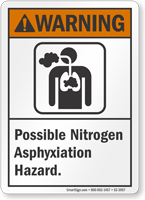
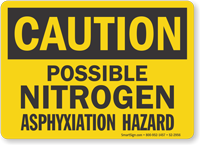
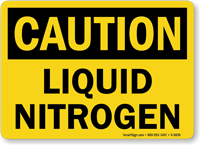
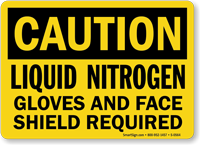
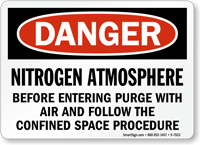
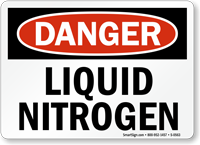
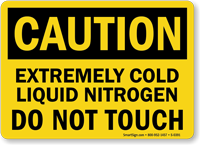
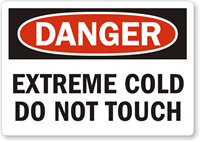
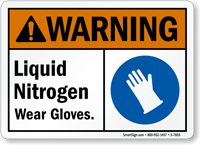
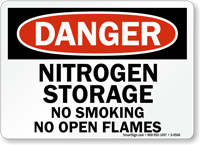
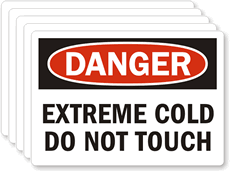
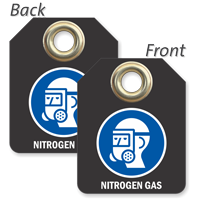
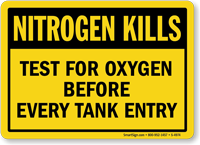
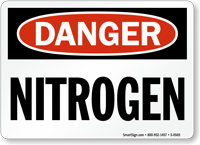
We carry liquid nitrogen signs that convey crucial safety instructions for handling and storing this hazardous cryogenic liquid. Signs are available in aluminum, adhesive polyester labels, and reflective formats - with stock products shipping the same day. Our liquid nitrogen signs warn of asphyxiation, extreme cold burn, and pressure hazards associated with cryogenic nitrogen storage and use.
Liquid nitrogen warning signs must address three primary hazards: extreme cold that causes severe cryogenic burns on contact, rapid gas expansion that can displace oxygen and create asphyxiation risk in enclosed spaces, and pressure buildup in sealed containers that can cause explosive rupture. Our liquid nitrogen signs cover all three hazards in OSHA and ANSI-compliant Danger and Warning formats.
Yes. We offer liquid nitrogen adhesive polyester labels in sizes from 3.5x5 inches up for direct application to dewars, cryogenic tanks, and storage containers. Adhesive polyester labels withstand the extreme cold temperatures and condensation associated with cryogenic containers without peeling or losing adhesion - a reliable labeling solution for any liquid nitrogen storage vessel.
Yes. We offer liquid nitrogen signs in reflective adhesive formats for use in dimly lit laboratory storage areas, utility rooms, and cryogenic storage facilities. Reflective signs remain visible under flashlights and emergency lighting, helping personnel quickly identify liquid nitrogen storage areas during power outages or emergency situations where cryogenic hazard identification is critical.
Yes. Our customizable liquid nitrogen sign templates allow you to add storage room numbers, PPE requirements, emergency procedures, or specific handling instructions. Custom cryogenic hazard signs are available in aluminum, adhesive polyester, and reflective formats - ideal for research institutions, medical facilities, and industrial operations with specific liquid nitrogen safety protocols.
Liquid nitrogen is one substance that is not to be trifled with. It possesses the capacity to freeze at a significantly lower temperature than water, making it an excellent refrigerant with many uses from culinary applications to cryogenics. However, it is this same characteristic that makes it very dangerous. Liquid nitrogen boils so quickly it generates tremendous pressure when transitioning from liquid to gas, making it dangerously explosive in sealed containers. Plus it’s lighter than air, which may lead to asphyxiation since evaporation increases the nitrogen concentration of the air – especially without adequate ventilation of the surrounding area.
Call our sales team at (800) 952-1457 and get your quote in minutes!
Mon - Fri 8:00am to 7:00pm EST
Best price guarantee. Fast, free shipping.